

Russia’s President Vladimir Putin is known for his tightly controlled public image, but the true extent of the security bubble surrounding him on foreign tours is far more elaborate than what appears on camera. His recent visit to India once again underscored the layers of secrecy, precision planning and stringent protection protocols that define every international trip he makes. While host nations prepare their own arrangements, Russia’s Federal Protective Service (FSO) orchestrates a parallel system—one built on absolute control, minimal exposure and virtually no margin for error.
Table of Contents
Below is an in-depth look at the hidden mechanisms, specialized personnel and unusual precautions that shape Putin’s movements abroad.
Putin’s Hidden Protection Network: The Security Machine Behind Every Trip
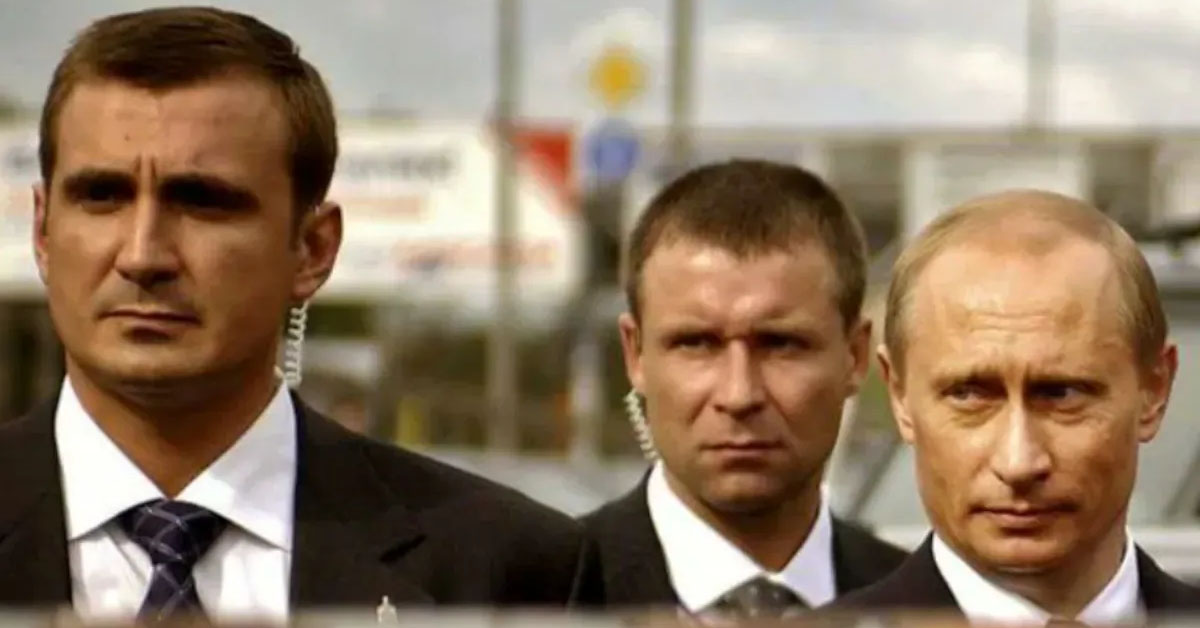
To the public, Putin’s visible bodyguards—stoic, suited men with earpieces—appear to form the bulk of his security. In reality, they represent only the outer shell of a highly complex defence apparatus. The FSO, a successor to KGB-era protection units, runs a vast network that spans logistics, electronic intelligence, personal security and counter-surveillance.
At the core of this system is the elite Presidential Security Service (SBP). These guards undergo rigorous screening before selection. Candidates must be under 35, taller than 180 cm, physically robust, combat-ready, and capable of enduring high-stress environments. They must pass psychological evaluations, loyalty tests, extensive background checks and even demonstrate proficiency in foreign languages. Only a fraction of applicants ever make it through.
Former security officer Gleb Karakulov, who defected in 2023, revealed that Putin maintains an extremely isolated lifestyle to reduce security risks. He avoids mobile phones to prevent digital tracking and sometimes travels by a specially secured train instead of aircraft. His protective detail also includes snipers positioned along travel routes, drone specialists, encrypted communication teams and surveillance experts who sweep every location hours or even days before his arrival.
Hyper-Controlled Food Protocols: Laboratories, Testing and Bodyguard Tasters
Food safety is one of the most tightly regulated aspects of Putin’s travel routine. Presidential chefs follow strict hygiene protocols—wearing gloves, replacing uniforms multiple times a day and undergoing hand inspections to check for cuts. Every ingredient that enters the presidential kitchen is carefully examined, often with the help of mobile laboratories that accompany foreign visits.
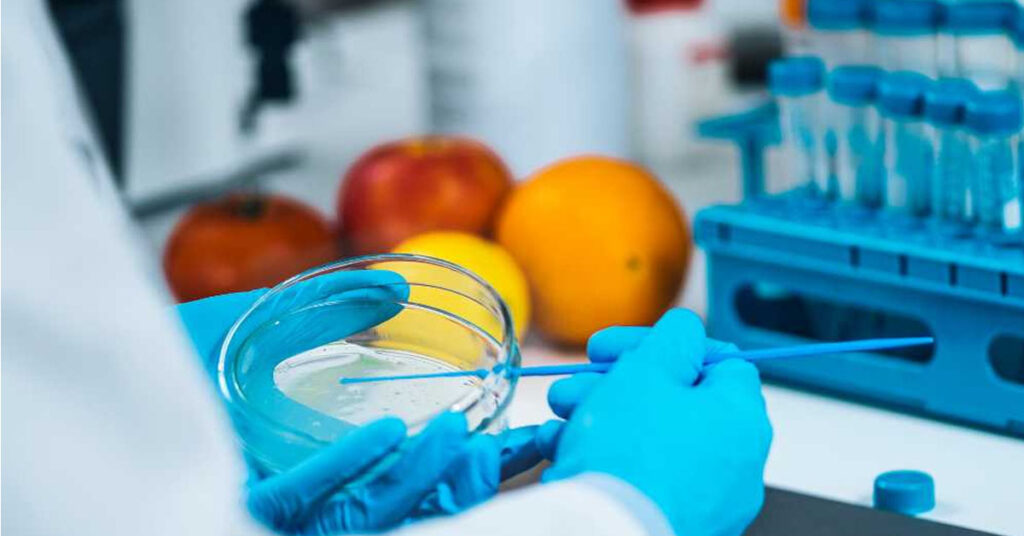
Despite these precautions, dishes prepared for Putin are not served directly. Members of his bodyguard unit taste each meal first. This longstanding practice ensures that any attempt at poisoning would be detected before the food reaches him.
A chef interviewed in the documentary Our Service described the constant shadowing of the president:
“Wherever the leader is, we are there. Whether it’s a business trip, a vacation, or a private ceremony, we are always there. When there’s a big event, we also supervise it.”
The documentary also revealed details about Putin’s dietary preferences. He avoids fast food, limits meat consumption in the evenings, and is known to enjoy eggplant appetisers, Olivier salad, game liver and herbal teas such as rosehip or ginger. Alcohol, even at state events, is consumed sparingly.
Elite Transport Assets: Armoured Vehicles and the ‘Flying Pluton’
One of the most visible elements of Putin’s travel security is his customised Aurus Senat limousine. This vehicle, flown abroad for his use, is engineered to withstand grenade blasts, chemical threats and ballistic attacks. It also features a fire-suppression system, emergency oxygen supply, and advanced communication equipment that allows encrypted interaction with the Kremlin.
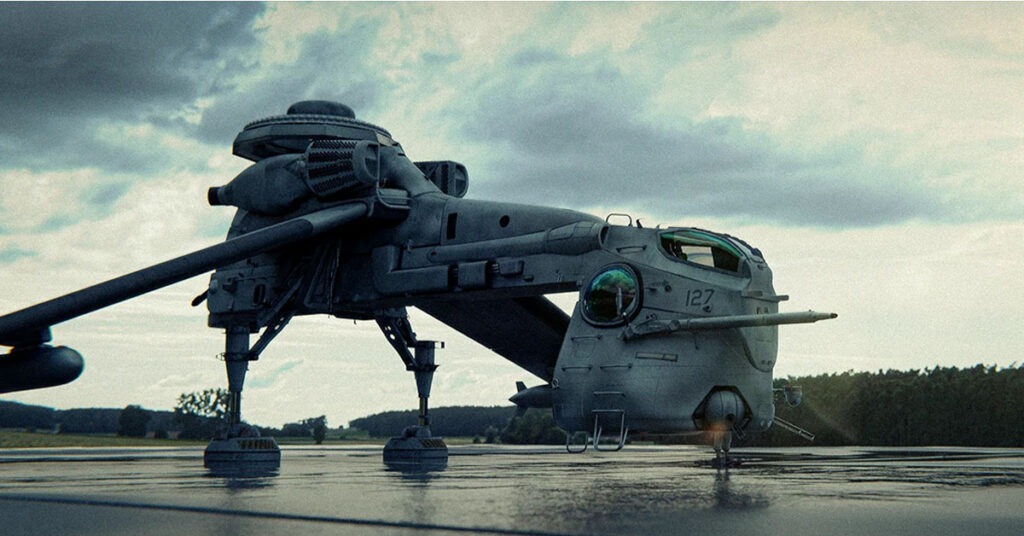
Putin’s long-haul flights take place aboard the Ilyushin IL-96-300PU—nicknamed the Flying Pluton. The aircraft is fitted with secure communication channels, a medical centre, a gym, conference rooms and systems capable of authorising nuclear strikes. Every aspect of the aircraft is shielded against electronic warfare, ensuring the president remains reachable even under extreme conditions.
The Poop Suitcase: The Most Unusual Security Protocol of All
Perhaps the most surprising component of Putin’s travel security involves his biological waste. Multiple reports have confirmed that Putin’s bodily waste is collected, sealed and transported back to Russia during foreign trips. This extraordinary measure aims to prevent intelligence agencies from analysing his health through medical residue.
Specially assigned bodyguards handle this task, placing the waste in a secure briefcase that returns to Moscow. The practice has been observed during high-profile visits such as his 2017 trip to France, his 2019 visit to Saudi Arabia and most recently, during the Alaska Summit in the United States.
Former BBC journalist Farida Rustamova corroborated the reports, adding that Putin has access to private portable toilets during international visits to ensure no biological trace is left behind. According to sources she interviewed, this protocol has been in place since the beginning of his presidency in 1999.
A System Built on Secrecy and Control
Putin’s foreign trips highlight the extent to which the Russian state invests in shielding its leader from threats—both visible and invisible. From bodyguard tasters and mobile laboratories to armoured limousines and sealed waste containers, every detail reflects a system designed for maximum control.
While most world leaders travel with significant security, the Russian president’s protective bubble stands out for its opacity and intensity. And as geopolitical tensions rise, the elaborate security architecture surrounding Vladimir Putin is likely to become only more fortified, more secretive and more complex in the years ahead.