

New Delhi: A growing controversy over India’s voter registration process has put the Election Commission under scrutiny, with questions being raised about changes introduced to the online application process for new voters.
Table of Contents
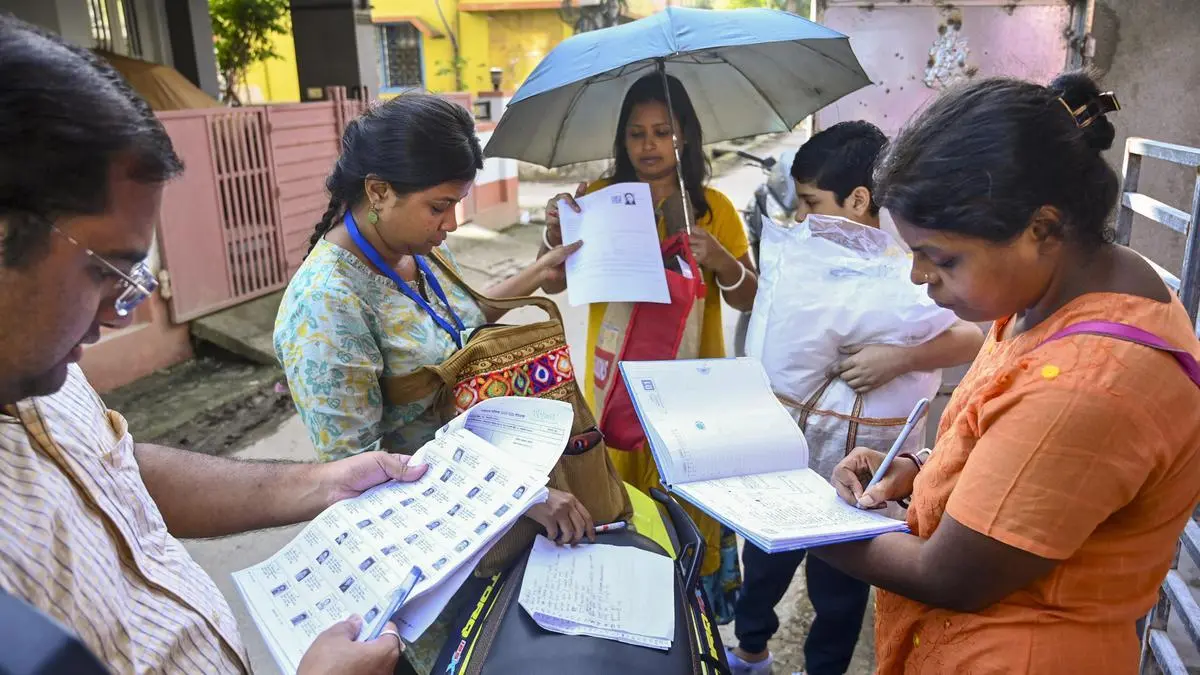
At the centre of the dispute is Form 6, the statutory application used by eligible citizens to register themselves as voters. The controversy concerns an additional declaration that appeared in the online registration process during the Special Intensive Revision (SIR) exercise. The declaration sought information about whether an applicant, their parents or grandparents had been listed in an earlier electoral roll.
The bigger question now before the Supreme Court is not simply what information was collected, but who authorised the change and whether the Election Commission had the legal authority to introduce it without formally amending the relevant rules.
What is Form 6?
Form 6 is used by eligible Indian citizens to apply for inclusion in the electoral roll. It collects basic information such as the applicant’s name, date of birth and address and is prescribed under the Registration of Electors Rules, 1960.
An Indian citizen who is 18 years old, or will turn 18 by one of the four qualifying dates — January 1, April 1, July 1 or October 1 — can apply, provided the person is ordinarily resident in the relevant constituency and is otherwise eligible.
These dates are eligibility cut-offs, not fixed dates on which a person must have their birthday.
For example, someone who turns 18 on February 15, 2026 would not have been 18 on January 1. However, they would meet the age requirement by April 1 and could therefore apply based on that qualifying date.
What was added to the online process?
According to reporting cited in the source material, an additional SIR-related section appeared on the Election Commission’s online registration portal.
Applicants were asked to select from options concerning their connection with an earlier electoral roll. The questions included whether:
- their own name appeared in an earlier SIR electoral roll;
- their parents or grandparents were listed in that roll; or
- neither the applicant nor their parents or grandparents appeared in the earlier roll.
Although the additional section was reportedly not described as part of the statutory Form 6 itself, applicants could not complete the online submission without responding to it.
Depending on the answer, applicants could also be asked to provide details linked to an older electoral roll, including a relative’s name and relationship, EPIC number, state, district, assembly constituency, part number and serial number.
That raised concerns particularly for first-time voters whose families may not have appeared in older electoral records.
Importantly, the absence of a parent or grandparent from an old electoral roll does not by itself establish that a person is ineligible to become a voter today.
Who authorised the change?
This is one of the central unresolved issues.
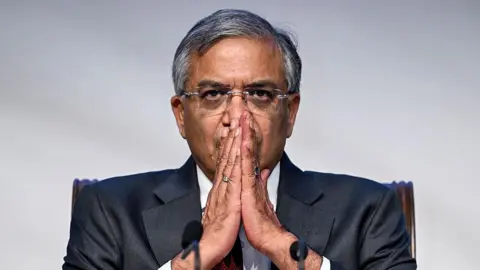
The Election Commission has acknowledged that an additional SIR declaration was used in the online process but has maintained that the statutory Form 6 itself was not altered.
However, available information cited in the article does not conclusively establish which individual authorised the software change.
The issue has also triggered questions about the role of Chief Election Commissioner Gyanesh Kumar. Allegations have been made that decisions were taken unilaterally despite objections from other election commissioners. However, there is no judicial finding establishing that Kumar personally ordered the disputed change.
The matter remains under consideration by the courts.
What do the election rules say?
The dispute is partly about the distinction between an administrative online procedure and a legally prescribed form.
Under Section 28 of the Representation of the People Act, 1950, the Central Government makes or amends the relevant rules after consultation with the Election Commission. Changes to statutory forms therefore involve a formal legal process.
According to the reporting cited in the source article, Election Commissioners Vivek Joshi and Sukhbir Singh Sandhu had raised objections, arguing that the statutory Form 6 and Form 8 could not be changed without amending the applicable rules.
A previous formal amendment illustrates the difference. Following changes to election law in 2021, the Legislative Department of the Ministry of Law and Justice formally notified related amendments to the rules and Form 6 on June 17, 2022.
The current dispute is whether the additional online declaration amounted to a similar change in substance, even if the statutory form itself was not formally altered.
What has the Supreme Court said?
The Supreme Court has become a key part of the dispute.
The Election Commission had referred to the court’s decision concerning the Special Intensive Revision in Bihar while defending the use of the SIR declaration. The Commission later said that the declaration accompanying Form 6 had been upheld by the Supreme Court.
But the court subsequently made an important clarification.
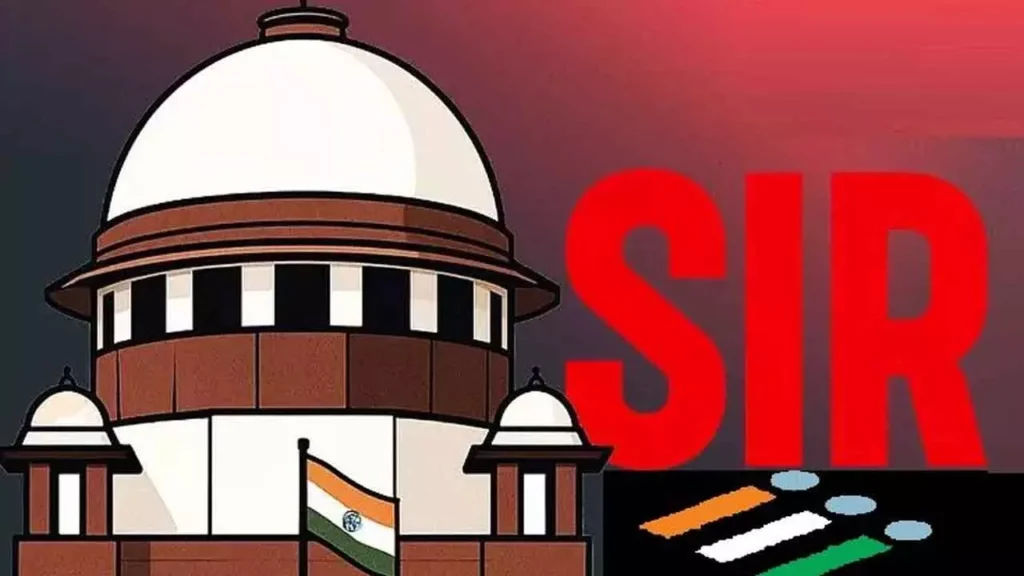
On October 5, Chief Justice Surya Kant said that the Supreme Court had not approved any modified Form 6 and indicated that it wanted to examine the records to determine who had made the change.
The clarification does not, by itself, settle whether the disputed declaration was unlawful. The court is still examining the relevant records and the process through which the change was introduced.
Why are first-time voters concerned?
One of the major concerns is the additional burden that could fall on young people applying for voter registration for the first time.
A new voter obviously could not have been listed in an electoral roll from many years earlier. As a result, questions about the electoral history of parents or grandparents could become relevant to the registration process.
Election Commissioner Sukhbir Singh Sandhu had reportedly expressed concern about unnecessary difficulties being created for eligible young applicants.
At the same time, the presence of a third option — allowing an applicant to state that neither they nor their relevant family members appeared on the earlier roll — means it would be inaccurate to say that having a parent or grandparent on an old electoral roll was an absolute requirement for voter registration.
The political controversy
The issue has also become a political flashpoint.
Leader of Opposition Rahul Gandhi has accused Chief Election Commissioner Gyanesh Kumar of making an unlawful and unilateral change to Form 6 and alleged that the move amounted to misuse of office.
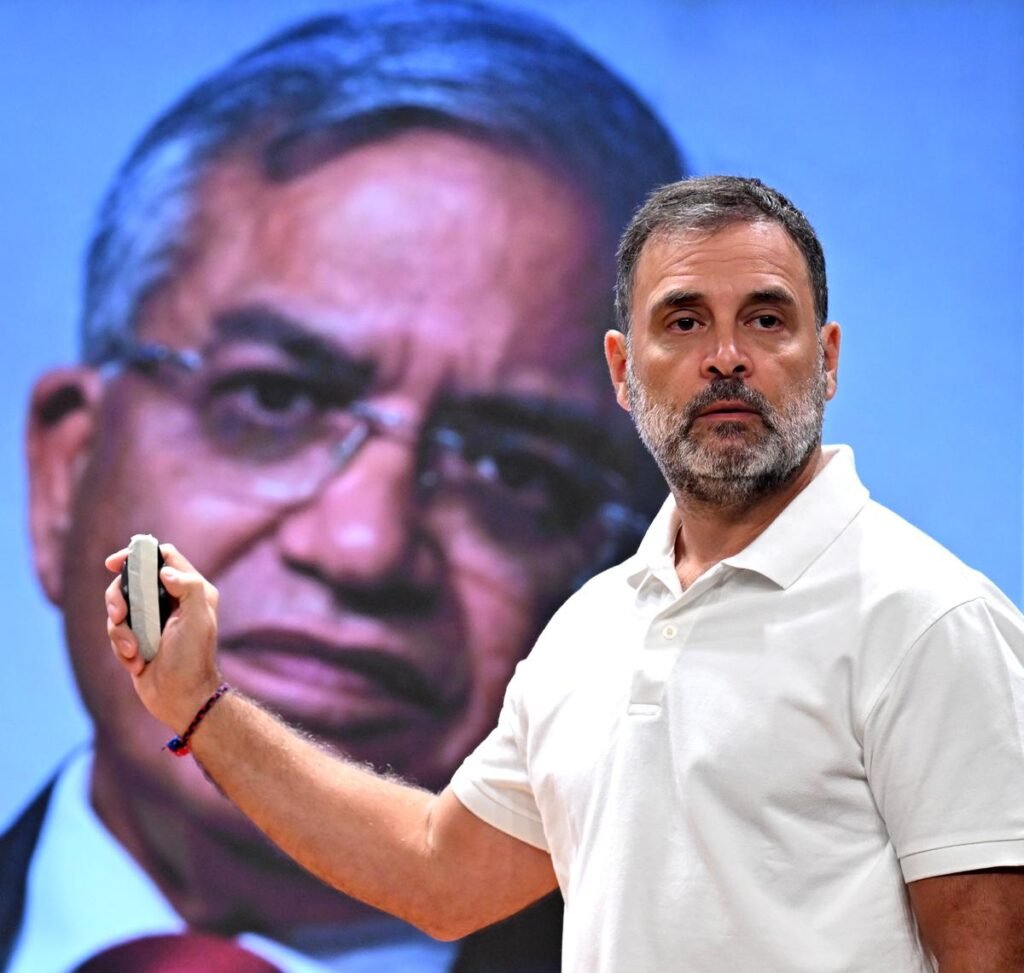
The Election Commission has rejected such criticism and defended the SIR process, pointing to its unanimous decision to order the exercise in Bihar and to the Supreme Court’s ruling on the Commission’s authority to conduct the revision.
The allegations against the Chief Election Commissioner remain matters before the court and should not be treated as established findings.
The key dates in the dispute
The controversy has developed over more than a year.
June 24, 2025: The Election Commission ordered the SIR exercise in Bihar. A separate declaration, referred to as Annexure D, accompanied applications for new enrolment.
May 16, 2026: Election Commissioner Vivek Joshi recorded an objection that statutory Forms 6 and 8 could not be changed through an SIR order or guidelines and recommended that any changes be sent to the government for amendment of the rules.
May 19, 2026: Election Commissioner Sukhbir Singh Sandhu supported Joshi’s objection.
May 27, 2026: The Supreme Court upheld the Election Commission’s authority to conduct the Bihar SIR while indicating that its powers were not unlimited.
August 13, 2026: Sandhu reportedly sought removal of what he described as an unauthorised or illegal change and warned against causing difficulties for first-time voters.
September 23, 2026: The Indian Express published its investigation into the objections raised by the election commissioners.
September 26, 2026: The Election Commission said the SIR declaration had been upheld by the Supreme Court and that the regular statutory Form 6 would apply outside the SIR process.
October 5, 2026: The Supreme Court clarified that it had not approved a modified Form 6 and sought records to establish who had changed it.
What are Forms 7 and 8 used for?
The controversy has also renewed attention on the three major forms used in the voter registration system.
Form 6 is for a person seeking registration as a voter for the first time.
Form 7 is used to object to the inclusion of a name in the electoral roll or request the deletion of a name. It can be used in cases involving a deceased voter, a person who is ineligible by age, someone who has permanently shifted residence, duplicate registration or a person who does not meet the citizenship requirement. A voter can also use Form 7 to request removal of their own name.
Form 8 is meant for people who are already registered as voters and need to update their records. It can be used when a voter moves to a new address, needs to correct information, requires a replacement EPIC card or wants disability-related information added to the electoral record.
For instance, a voter already registered in Patna who moves to Noida should generally seek transfer of their existing registration through Form 8 rather than registering again as a new voter through Form 6.
What happens next?
The central questions remain unanswered: What was the legal basis for the additional declaration? Who authorised its inclusion in the online process? And did the Election Commission remain within the limits of its statutory powers when the change was introduced?
The Supreme Court’s request for records could provide important answers.
For now, the distinction between a formally amended statutory form and an additional online declaration remains at the heart of the controversy. The outcome could have wider implications for how electoral authorities introduce changes to voter-registration procedures and how far their administrative powers extend without a formal amendment to election rules.