
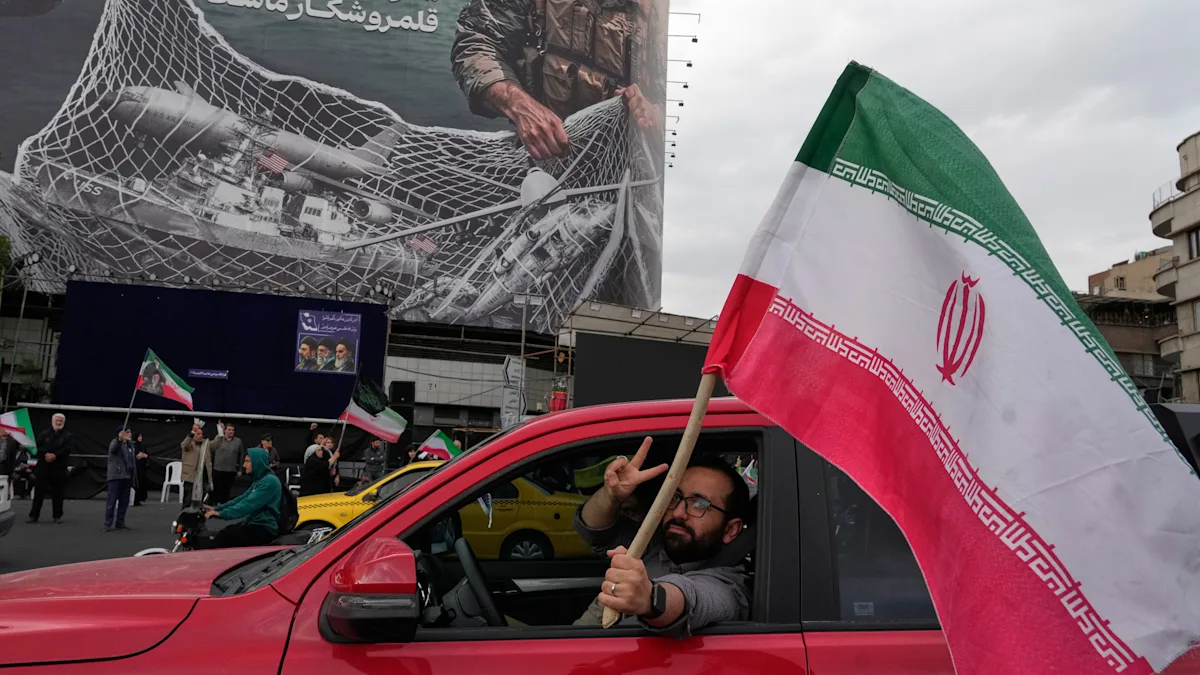


Tel Aviv/Tehran/Washington, D.C. — The United States and Iran appear to be edging closer to a potential agreement as the April 21 ceasefire deadline approaches, raising cautious hopes for de-escalation in a tense geopolitical standoff.
Table of Contents
According to recent reports from American media outlets, negotiations between the two nations have made noticeable progress in recent days. While key differences remain unresolved, diplomatic channels are active and both sides are reportedly working toward a mutually acceptable framework.
A significant development is unfolding in Tehran, where senior Iranian officials are scheduled to meet Pakistan’s Army Chief, Asim Munir. Munir, who has already held discussions with Iranian Foreign Minister Abbas Araghchi, is believed to be carrying messages from Washington as part of ongoing backchannel diplomacy.
Pakistan, alongside Egypt and Turkey, has taken on a mediating role in the negotiations. On the American side, key figures including Vice President JD Vance, along with advisors Steve Witkoff and Jared Kushner, are actively involved in shaping and sharing draft proposals.
Officials suggest that extending the current ceasefire remains a possibility if more time is needed to finalize the agreement, though Washington has not yet formally approved such a move.
Earlier talks held on April 11 in Islamabad, mediated by Pakistan, ended without a breakthrough. However, renewed diplomatic momentum appears to have revived hopes for progress.
Pressure Mounts on Iran
US officials claim that increased economic and military pressure has played a role in pushing negotiations forward. A naval blockade in the strategically vital Strait of Hormuz has reportedly disrupted Iran’s oil exports, a key source of revenue for the country.
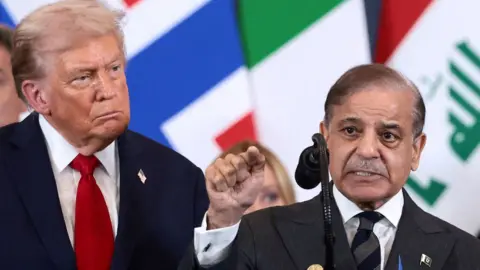
According to the US Central Command, no ships reached Iranian ports in the past 48 hours, with at least nine vessels reportedly turned away. Iran, which exports roughly 1.5 million barrels of oil daily—earning about $140 million—could face serious financial strain if the blockade continues.
Much of Iran’s oil exports pass through Kharg Island, making it particularly vulnerable to disruptions. Officials warn that prolonged export restrictions could force Iran to scale back production, deepening its economic challenges.
Nuclear Talks Show Signs of Progress
Parallel discussions over Iran’s nuclear program have also shown encouraging signs. Diplomatic sources indicate that recent efforts have helped narrow gaps, bringing both sides closer to a possible agreement.
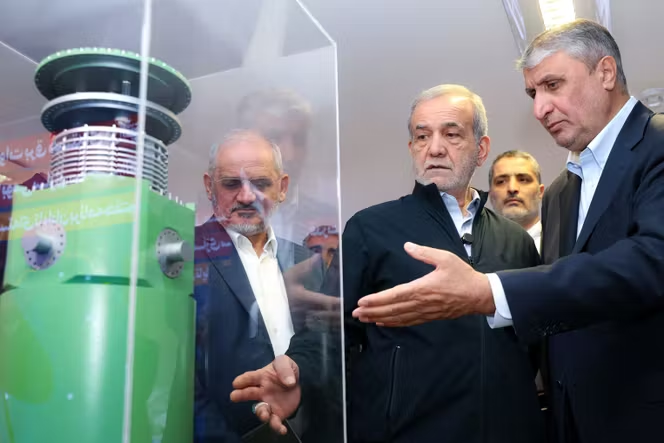
Backchannel communications remain ongoing, with draft proposals under review. Some reports suggest that recent US strikes may have impacted Iran’s nuclear capabilities, potentially influencing Tehran’s willingness to negotiate.
Despite the progress, disagreements persist, and opposition to the deal remains within certain factions on both sides.
Key Developments in the Last 24 Hours
- The US claims its Hormuz blockade has prevented any ships from reaching Iranian ports in 48 hours, turning back nine vessels.
- Iran has warned it may disrupt maritime trade in the Red Sea, the Sea of Oman, and the Persian Gulf if the blockade continues.
- Casualties in Lebanon have risen sharply amid ongoing Israeli strikes, with over 2,100 reported dead and thousands injured.
- Negotiations on Iran’s nuclear program are advancing, with intensified efforts to reach a deal before April 21.
- Israel claims it has targeted more than 200 Hezbollah positions in southern Lebanon within a 24-hour period.
As the deadline nears, the coming days are expected to be critical in determining whether diplomacy can prevail over conflict.