
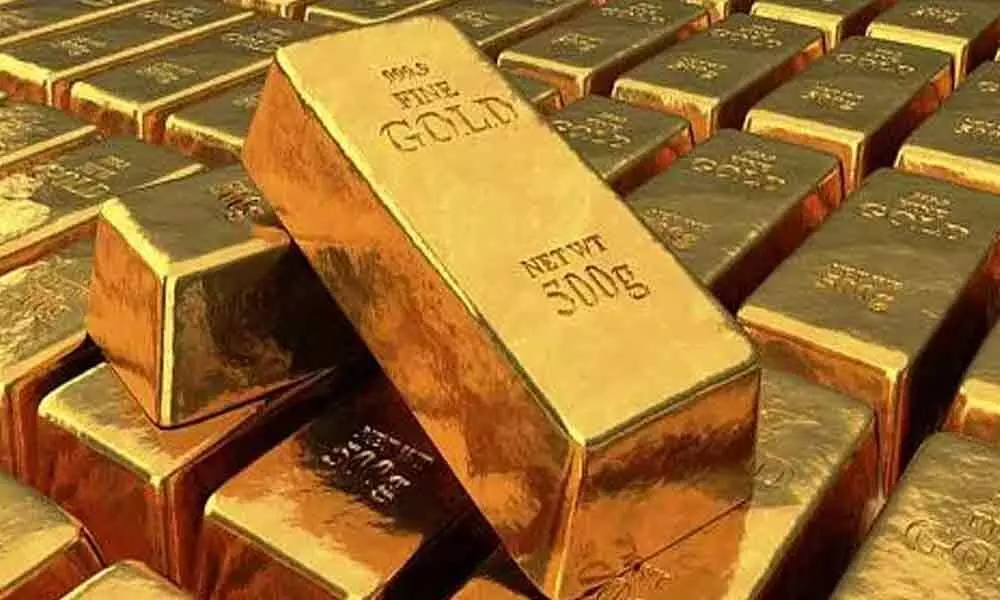


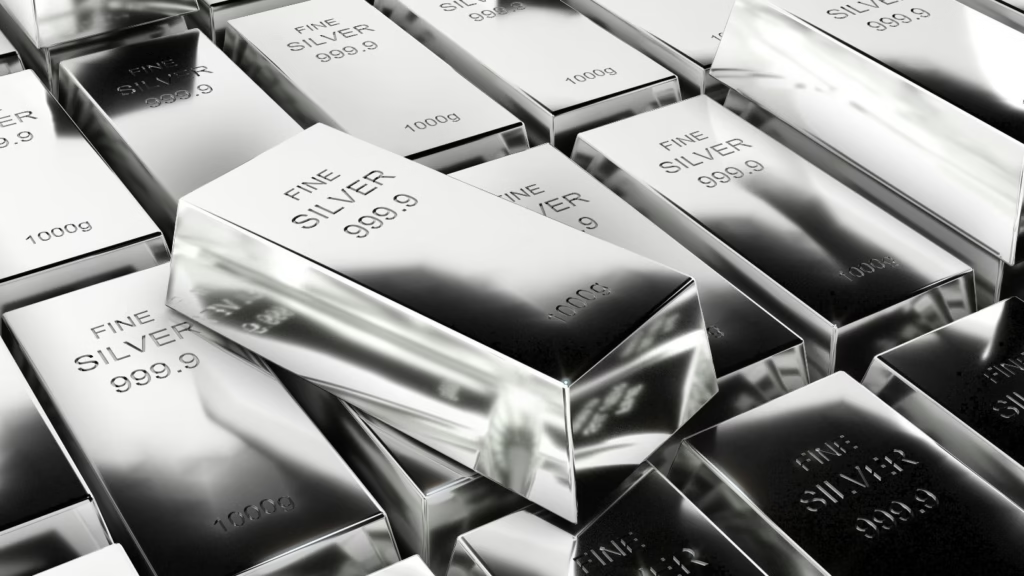
After weeks of nonstop gains, the rally in gold and silver came to an abrupt halt on Friday, marked by a dramatic price crash. On January 30, gold prices plunged by nearly 12 percent, silver fell an even steeper 26 percent, and platinum dropped around 18 percent in a single day.
Table of Contents
This sharp fall followed an extraordinary rally that had pushed precious metal prices to historic highs. According to Tom Price, a commodities analyst at UK-based investment bank Panmure Liberum, the situation reflects a classic market peak. Speaking to the Financial Times, he said markets at such levels are often driven by confusion and uncertainty, with investors desperately searching for clarity.
Nicky Shiels, an analyst at MKS PAMP Group, noted that the extreme price swings seen on Thursday and Friday capped what could be described as one of the most volatile months in the history of precious metals trading.
What Triggered the Turmoil?
Growing global uncertainty—from political tensions involving Venezuela, Greenland, and Iran to unpredictable signals from US President Donald Trump—had pushed investors toward traditional safe-haven assets like gold and silver. However, Shiels pointed out that the pace of the rally had become unsustainable. “Unthinkable events are happening almost daily,” she said, adding that prices had risen “too far and too fast.”
Arun Sai, Senior Multi-Asset Strategist at Pictet Asset Management, told that such rapid price movements naturally lead to heightened volatility. Still, the firm believes gold will continue to benefit in the long run due to diversification efforts by central bank reserve managers and global investors.
According to Bloomberg, the sell-off marked the biggest intraday drop in gold prices since the early 1980s. Silver also recorded its steepest intraday fall on record. The shockwaves were felt across the entire metals market.
Market experts believe that after such a steep rise, a correction was inevitable—and recent news events merely provided the excuse.
Why Was the Fall So Severe?
Concerns over President Trump’s trade policies have kept markets on edge for months. Over the past year alone, gold prices surged by nearly 60 percent as demand for precious metals soared and new records were set repeatedly.
Even seasoned traders were caught off guard by the speed of the rally, which fueled sharp price fluctuations. The trend intensified in January as investors reacted to weakening currencies, fears over the Federal Reserve’s independence, trade war risks, and geopolitical tensions by turning to safe assets.
Bloomberg cited OCBC strategist Christopher Wong, who said that news of Kevin Warsh being nominated as the next Chair of the Federal Reserve Board acted as a trigger for the sell-off. However, he emphasized that a correction was already overdue. President Trump officially announced Warsh’s nomination, a move that was also welcomed by Canadian Prime Minister Mark Carney, who called him a strong choice to lead the world’s most influential central bank during challenging times.
Wong described the development as “the kind of catalyst markets wait for to end an unusually fast and extreme rally.” Some analysts also believe investors seized the moment to book profits.
Strengthening Dollar Adds Pressure
some investors expect a Federal Reserve under Warsh—considered a more traditional economist compared to other candidates—to take a tougher stance on inflation. This expectation, combined with a stronger US dollar, weighed further on gold prices. Bloomberg noted that the dollar strengthened as investors sold commodity-linked currencies such as the Australian dollar and the Swedish krona.
The dollar rally gathered pace following Warsh’s nomination, especially with current Fed Chair Jerome Powell’s term set to end in May. At the same time, a temporary agreement between President Trump and Senate Democrats helped avert another US government shutdown, easing political uncertainty. Trump’s signal of possible talks with Iran also slightly reduced tensions in the Middle East.
Another major factor behind the sell-off was technical. Bloomberg reported that both gold and silver had entered “overbought” territory, with their Relative Strength Index (RSI) touching 90—one of the highest levels seen in decades. An RSI above 70 typically signals excessive buying and suggests that prices are due for a correction.
What’s Next?
Despite Friday’s sharp fall, gold still ended the month up 13 percent, while silver posted a monthly gain of 19 percent. This suggests that while the market has cooled, investor interest in precious metals remains strong—for now.